Home Security Habits: The Low-Cost Behaviors That Protect More Than Gadgets
Home security marketing sells cameras while the data says habits — the locked doors, the lighting, the routines that make homes unattractive targets — do most of the protecting. The security-habits guide: the mindset, the audit and the smart tech layer.
The Mindset Foundations
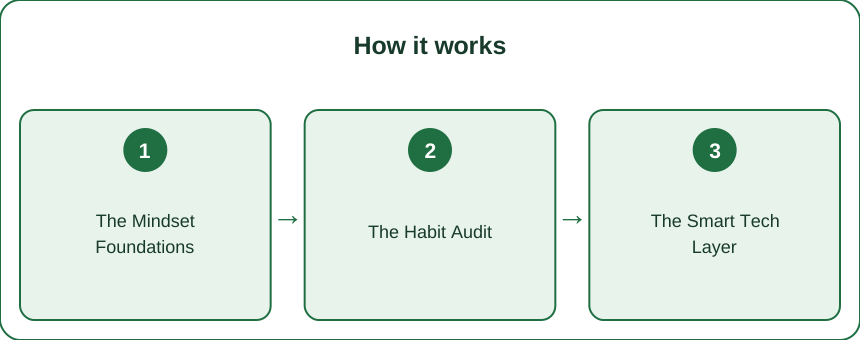
Thinking like prevention: the opportunity model (the vast majority of break-ins being opportunistic — the unlocked door and open window being the actual invitations; the hardening that redirects rather than fortifies), the layers principle (the deter-delay-detect sequence — the multiple small obstacles beating one big one; the defense-in-depth from the awareness doctrine), the routine-vs-paranoia balance (the habits automated so vigilance isn’t anxiety — the security as background system per the calm doctrine; the preparedness that reduces fear rather than feeding it), and the renter-inclusive framing (the habits working in apartments — the no-drill measures leading; the landlord conversations for the hardware gaps per the renter doctrine).

The Habit Audit
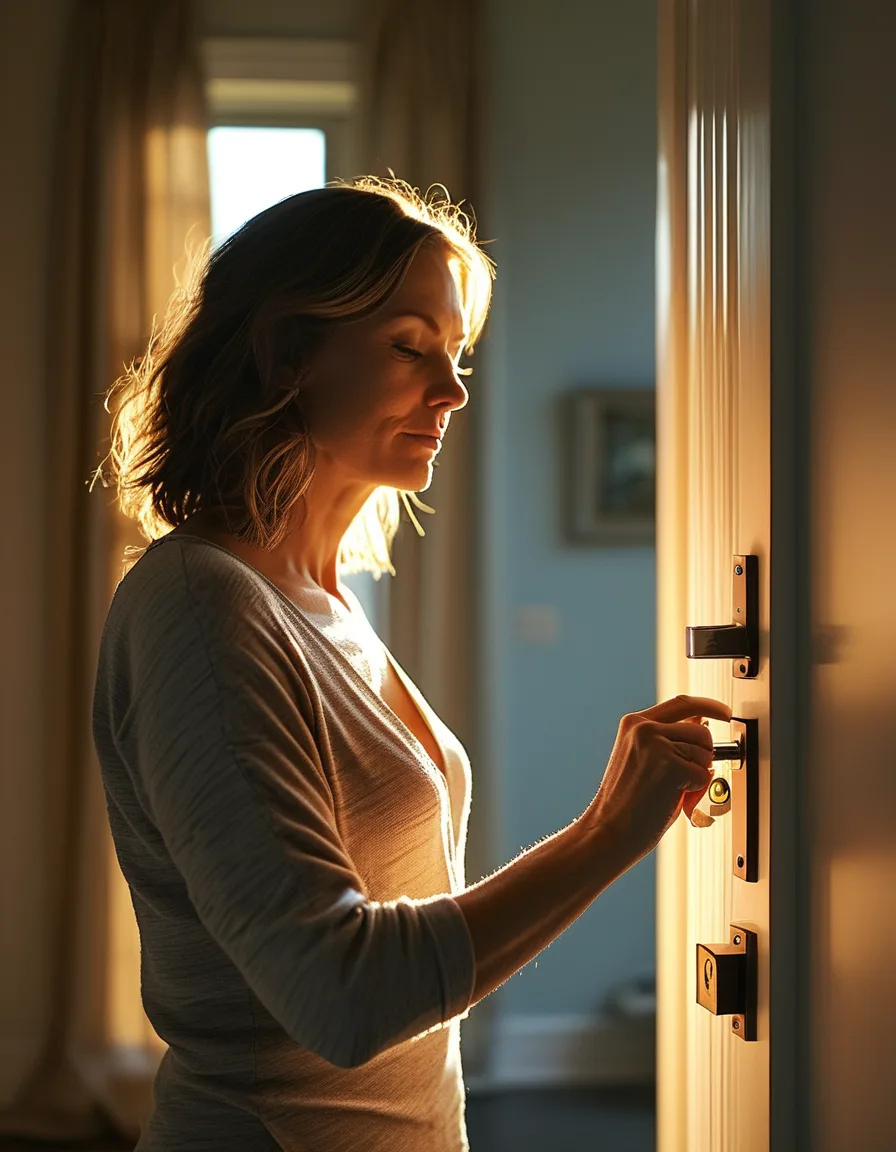
The behaviors, room by room: the lock discipline (the doors locked WHILE home — the daytime unlocked-door being the top entry; the deadbolt thrown, not just the knob; the window locks checked seasonally), the key hygiene (the no-hidden-spare rule — the fake rocks fooling nobody; the trusted-neighbor or lockbox alternatives; the re-key at move-in per the move doctrine), the lighting habits (the exterior lights on timers-or-sensors — the lit entries and dark-corner elimination; the interior lamps on timers for away-nights), the visibility management (the valuables out of window sightlines — the delivery boxes broken down, not curbside-advertising the new TV; the garage door closed as habit), the departure rituals (the leaving checklist: locks, garage, lights — the ninety-second sweep per the checklist doctrine), the away-mode protocol (the mail held, the neighbor briefed, the social-media vacation posts DELAYED until home per the digital doctrine — the real-time absence never broadcast), the arrival awareness (the entry with keys ready and phone pocketed from the awareness doctrine — the door-to-door attention window), and the guest-and-service habits (the ID-checking culture for unexpected service visits — the door answered without opening per the door doctrine).
The Smart Tech Layer
Technology in its place: the highest-value tier (the quality deadbolt and the door-frame reinforcement — the strike-plate screws being the twenty-dollar upgrade that matters most; the door hardware beating any camera), the sensible middle (the video doorbell for the answer-remotely function — the motion lights; the smart-lock convenience with the battery-and-hack awareness), the alarm honesty (the monitored systems and the sign-alone deterrence — the sticker-and-habits combination outperforming unused systems), the camera calibration (the cameras as detect-and-document, not prevent — the placement at entries; the privacy etiquette per the neighbor doctrine), the budget ranking (the habits free, the hardware cheap, the subscriptions optional — the spend order from the priority doctrine), and the closing frame (the home secured mostly by behavior — the locked, lit, unadvertised home being the unattractive target; the gadgets layered on habits, never substituting; the peace of mind, built ninety seconds at a time). Lock while home, light the entries, delay the vacation posts: the home, protected by habit first.
Most break-ins are opportunistic — habits beat gadgets: lock doors while home, light entries on sensors, break down delivery boxes, never post vacations in real time, and re-key at move-in. Best hardware money: a quality deadbolt and long strike-plate screws before any camera.
Keep Reading
This article is for general informational and styling purposes only. Fit, sizing, and product availability may vary.