The Personal Alarm Placement Mistake That Makes It Useless in an Actual Emergency
Quick Answer: A personal safety alarm only works if it can be activated in under 2-3 seconds without looking — buried in a bag, zipped in a pocket, or attached somewhere that requires two hands to reach makes even a good-quality alarm functionally useless in the moment it’s actually needed.
Buying the alarm is the easy part. Where it actually lives on your body determines whether it does anything at all when it matters.
Why does activation speed matter more than the alarm’s decibel rating?
A 130-decibel alarm that takes 8 seconds to locate and activate is less useful in an actual emergency than a 110-decibel alarm clipped somewhere reachable in under 2 seconds — the entire value of a personal alarm is disrupting and deterring in the earliest possible moment of a threat, and any delay in activation erodes that value regardless of how loud the device eventually sounds. Manufacturers emphasize decibel rating because it’s an easy number to market, but placement and reachability are the actual determining factors in real-world effectiveness.
What placement actually works, and what doesn’t?
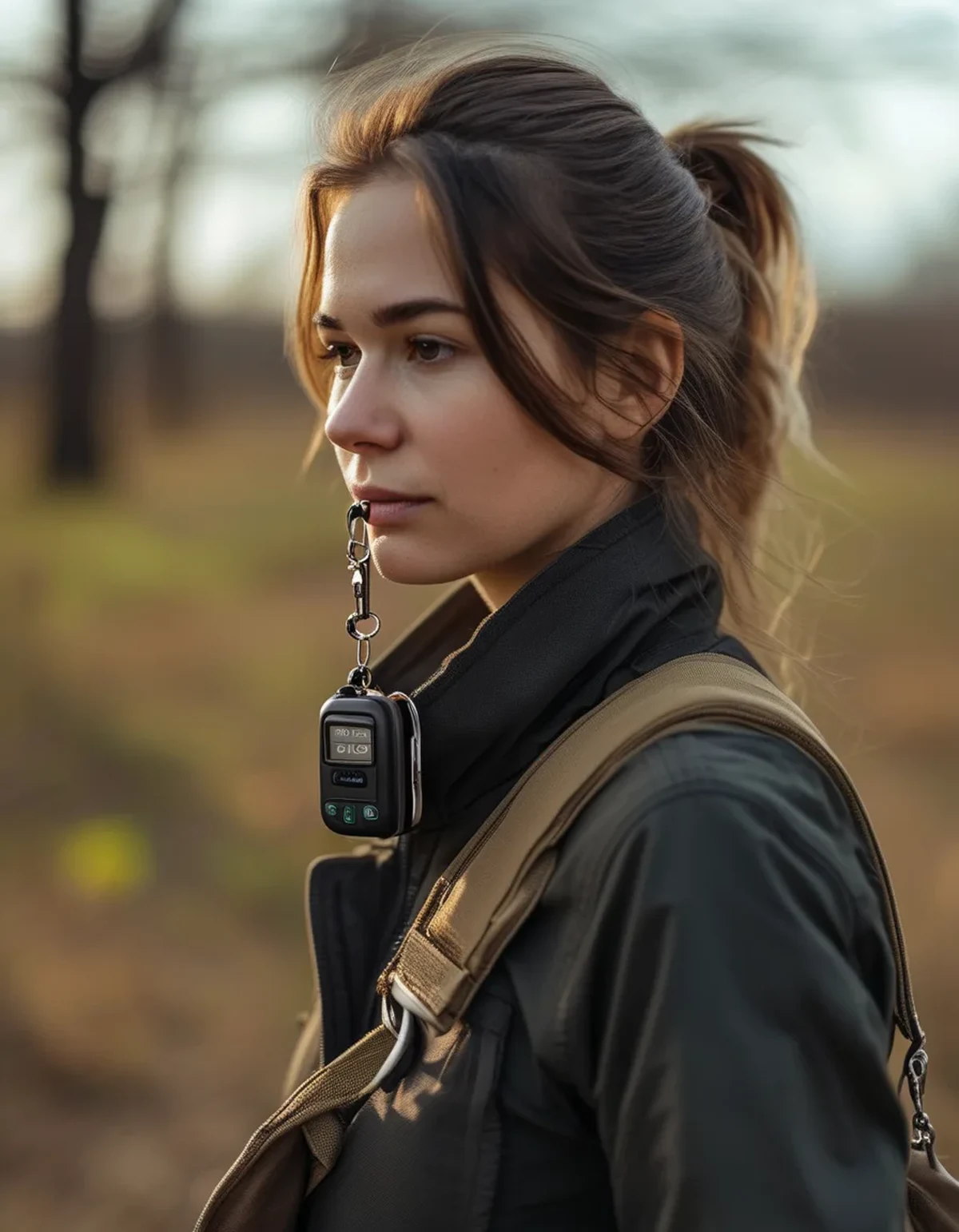
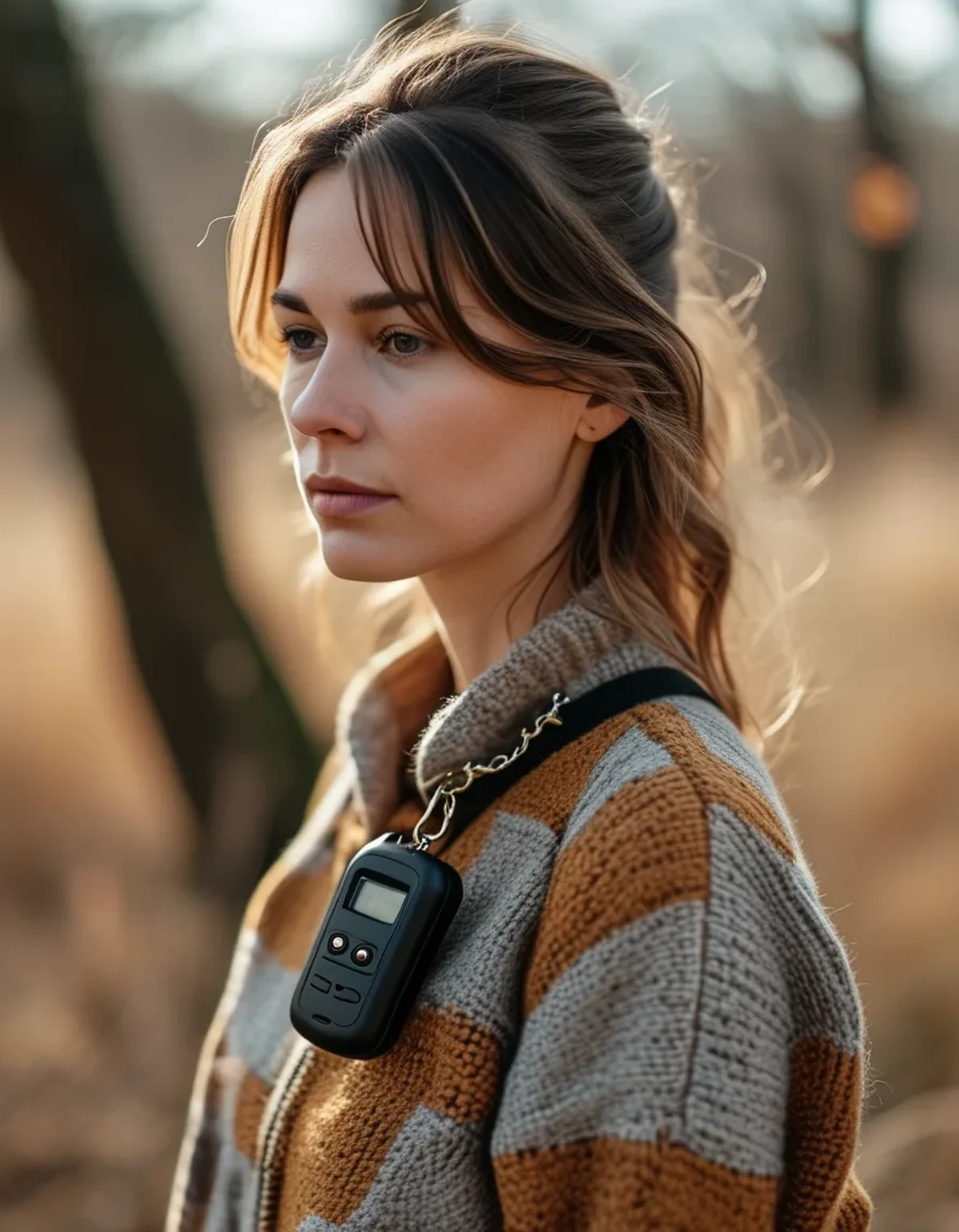
Clipped to a keychain you’re already holding, attached to a belt loop, or worn on a wrist strap are the placements that hold up under real-world testing — anywhere requiring you to open a bag, unzip a pocket, or search with two hands fails the speed test that matters most. Keys specifically work well as an anchor point because most people are already holding or reaching for them in transition moments (walking to a car, approaching a building) when risk is elevated.
Does one-handed operation matter as much as location?
Yes — an alarm requiring two hands to activate (twisting off a cap, pressing a small recessed button that needs stabilizing) adds critical seconds and assumes both hands are free, which frequently isn’t the case if someone is also carrying bags, a phone, or trying to keep balance. A pull-pin or single large-button design that works with one hand, without needing to look at the device, performs meaningfully better in real conditions.
How often should someone actually practice using their alarm?
Practicing activation from a resting position (in a pocket, clipped on) at least monthly builds the muscle memory that matters in an actual high-stress moment, since stress measurably degrades fine motor skills and unfamiliar movements become harder to execute correctly under real pressure. An alarm someone has never practiced activating quickly is, in effect, an alarm they don’t actually know how to use.
FAQ: Personal Safety Alarm Questions, Answered
Does a phone app alarm work as well as a physical device?
Generally no — unlocking a phone, opening an app, and pressing a button takes measurably longer than a physical clip-and-pull device, even for people very comfortable with their phone, which matters significantly in a genuine emergency.
Is a higher decibel rating still worth prioritizing at all?
Yes, as a secondary factor — once placement and one-handed operability are solid, a louder alarm does provide more real deterrent and attention-drawing value, it just shouldn’t be the first thing prioritized.
Should the alarm be visible, or does that reduce its element of surprise?
Visibility isn’t a major factor either way for most personal alarms, since their function is audio disruption and attention-drawing rather than a visible deterrent — reachability and speed of activation matter far more than whether it’s seen beforehand.
TL;DR:
- Activation speed under real stress matters more than decibel rating for a personal alarm
- Keychain, belt loop, or wrist attachment beats anything buried in a bag or pocket
- One-handed, no-look operation is essential — two-handed designs lose critical seconds
- Monthly practice activating it builds the muscle memory that actually holds up under stress
A personal alarm’s real specs aren’t printed on the box — they’re determined by where it lives on your body and how many seconds it takes to reach.
Keep Reading
This article is for general informational and styling purposes only. Fit, sizing, and product availability may vary.