Why Situational Awareness Prevents More Danger Than Any Physical Self-Defense Technique
Self-defense classes understandably spend most of their time on physical technique, strikes, escapes, holds, but the moment those techniques actually get used is already a worst-case scenario, and the far more common and effective layer of protection happens earlier, through noticing and avoiding risk before it reaches that point.

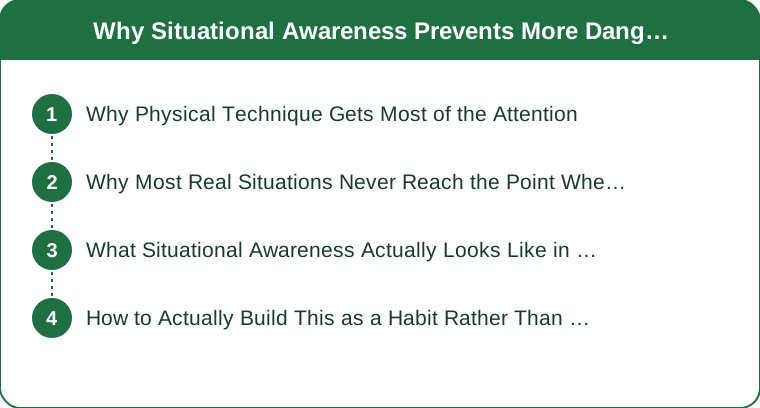
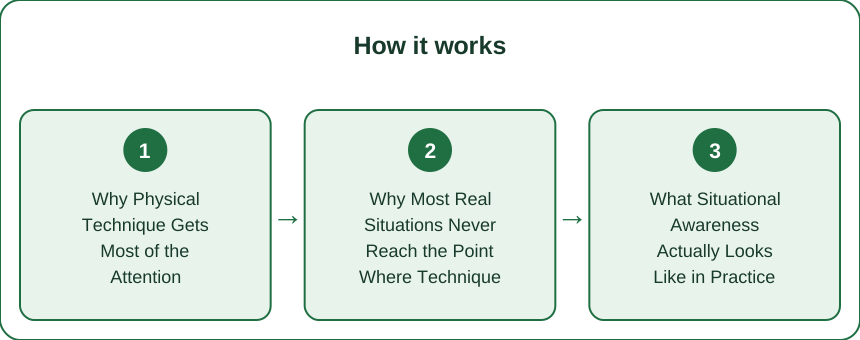
Why Physical Technique Gets Most of the Attention
The natural focus: physical self-defense moves being concrete, teachable, and practicable in a way that feels immediately useful and confidence-building, which is why classes and content built around them are so common and popular.
Why Most Real Situations Never Reach the Point Where Technique Is Needed
The bigger picture: security research and self-defense instructors consistently noting that most dangerous situations get avoided or de-escalated well before any physical confrontation occurs, specifically because of awareness and avoidance choices made minutes or blocks earlier.

What Situational Awareness Actually Looks Like in Practice
The specifics: habits like scanning surroundings periodically instead of staying absorbed in a phone, noticing exits in unfamiliar spaces, and trusting an early gut feeling of unease enough to change route or leave a situation before it develops further.
How to Actually Build This as a Habit Rather Than a One-Time Class
The practical approach: treating awareness as an ongoing, low-effort habit practiced on every walk or errand rather than something drilled once in a class and then forgotten, since its value comes from consistency rather than a single skill session, and the frame (most danger gets avoided through earlier awareness and avoidance, not physical technique used in the moment — building consistent awareness habits does more for real safety than perfecting a strike or escape move.)
Self-defense classes understandably spend most of their time on physical technique, strikes, escapes, holds, since those moves are concrete, teachable, and confidence-building in a way that feels immediately useful, but security research and self-defense instructors consistently note that most dangerous situations get avoided or de-escalated well before any physical confrontation occurs, specifically because of awareness and avoidance choices made minutes or blocks earlier. That awareness looks like scanning surroundings periodically instead of staying absorbed in a phone, noticing exits in unfamiliar spaces, and trusting an early gut feeling of unease enough to change route or leave a situation before it develops further, and treating that as an ongoing, low-effort habit practiced on every walk or errand, rather than something drilled once in a class, is what actually does more for real safety than perfecting any single strike or escape move.
Keep Reading
This article is for general informational and styling purposes only. Fit, sizing, and product availability may vary.