Why Just Carrying a Personal Safety Alarm Changes Behavior, Even If It's Never Used
Quick Answer: Carrying a personal safety alarm changes behavior mainly through increased confidence and situational awareness — people who carry one report walking more purposefully and noticing their surroundings more, both of which are protective on their own — so the tool’s value doesn’t depend on ever actually needing to activate it.
Most personal safety tools are judged only by whether they’re used in an emergency, which misses most of their actual effect.
How does simply carrying something change behavior?
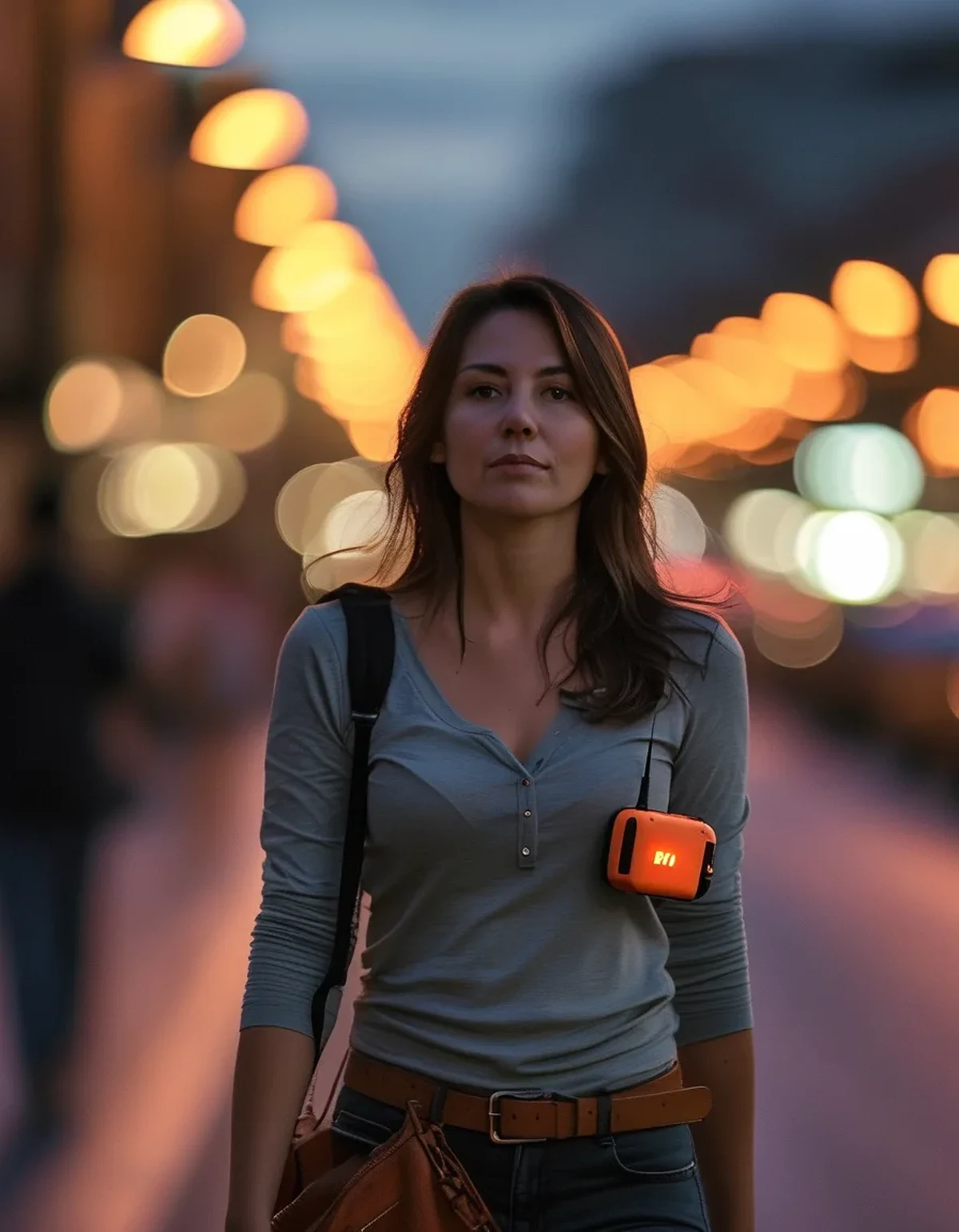
This is a well-documented pattern in personal safety research — having a plan or tool available tends to reduce anxiety and increase a sense of control, which in turn supports more confident, aware behavior. The alarm doesn’t need to be used to change how someone walks, scans their surroundings, or holds themselves, all of which independently reduce risk.
Is confident body language actually protective on its own?
There’s reasonable support for this in situational awareness and personal safety research — potential threats often assess targets partly based on perceived vulnerability, and purposeful, aware body language is generally read as a less appealing target than distracted or uncertain body language, independent of any tool being carried.

Does this mean the alarm itself doesn’t matter?
No — the alarm still matters as a real backup option, and the psychological benefit doesn’t replace its practical function. The point is that its value isn’t limited to the rare moment it’s activated — it’s providing a background benefit through increased confidence essentially every time it’s carried, which is a meaningfully larger share of its total value than people usually credit.
Does this effect fade over time as it becomes routine to carry it?
For many people, the awareness-boosting effect persists because carrying it becomes tied to a broader habit of safety-consciousness, not just the object itself. The behavior change is more durable when the alarm is one part of a broader habit (checking surroundings, sharing location, trusting instincts) rather than treated as a single standalone fix.
FAQ: Personal Safety Alarm Questions, Answered
Does the type or brand of alarm matter for this psychological effect?
Not particularly — the confidence effect seems tied to simply having a plan and a tool, more than any specific alarm’s features or volume rating.
Should a personal alarm be relied on as a sole safety strategy?
No — it works best as one layer among several (awareness, planned routes, trusted contacts), not a complete strategy on its own.
Is there a risk of false confidence from carrying a tool that’s never been tested?
A small risk exists if it leads to skipping other basic precautions, but for most people the net effect of increased awareness and confidence outweighs this concern.
TL;DR:
- Carrying a personal safety alarm changes behavior through confidence and awareness, not just through eventual use
- More purposeful, aware body language is independently protective, separate from any tool
- The alarm’s practical function still matters as a real backup, alongside its psychological benefit
- The effect is more durable when it’s part of a broader safety habit rather than a standalone item
A personal alarm that’s never activated isn’t doing nothing — most of its actual value shows up in how it changes the way someone carries themselves, every single day it’s carried.
Keep Reading
This article is for general informational and styling purposes only. Fit, sizing, and product availability may vary.